Gary Jackson: Fire When Ready Pottery
A Chicago potter’s somewhat slanted view of clay & play
Categories: classes, porcelain, process, textures

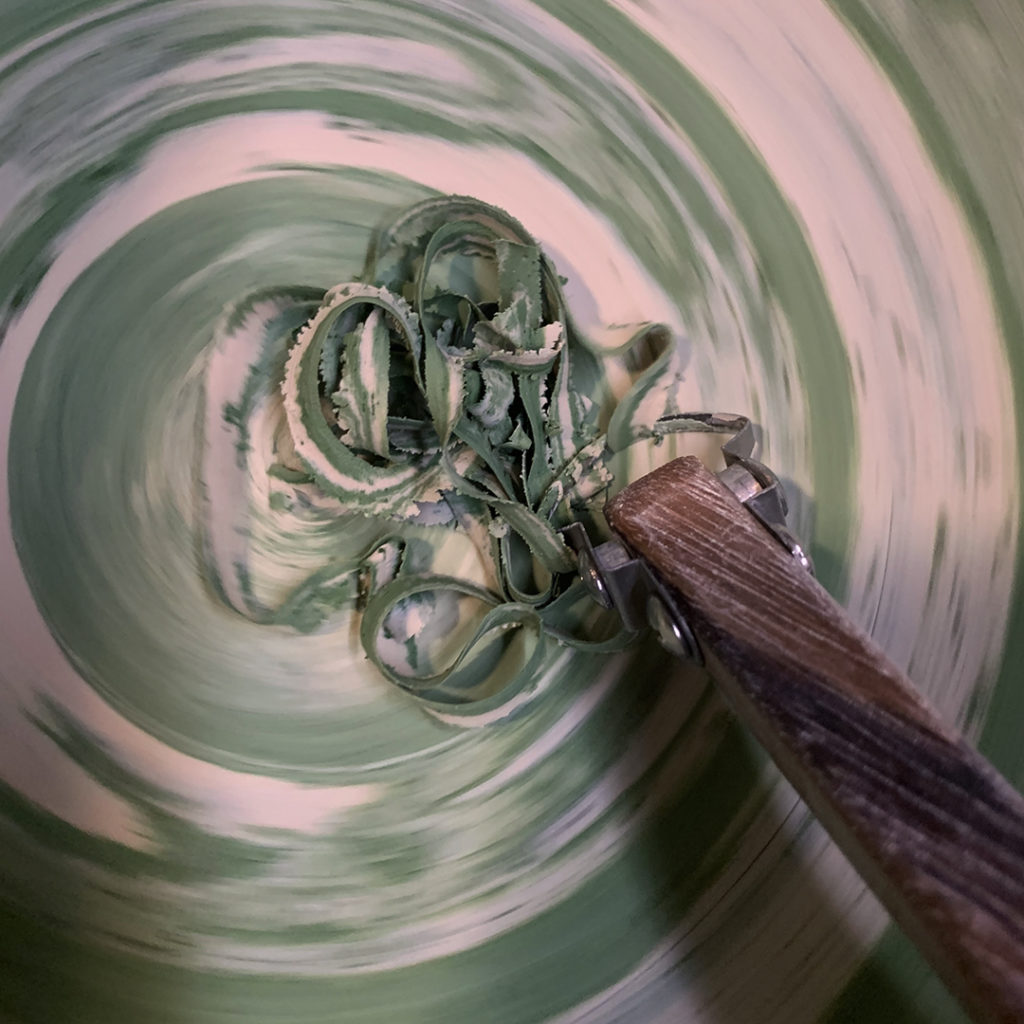
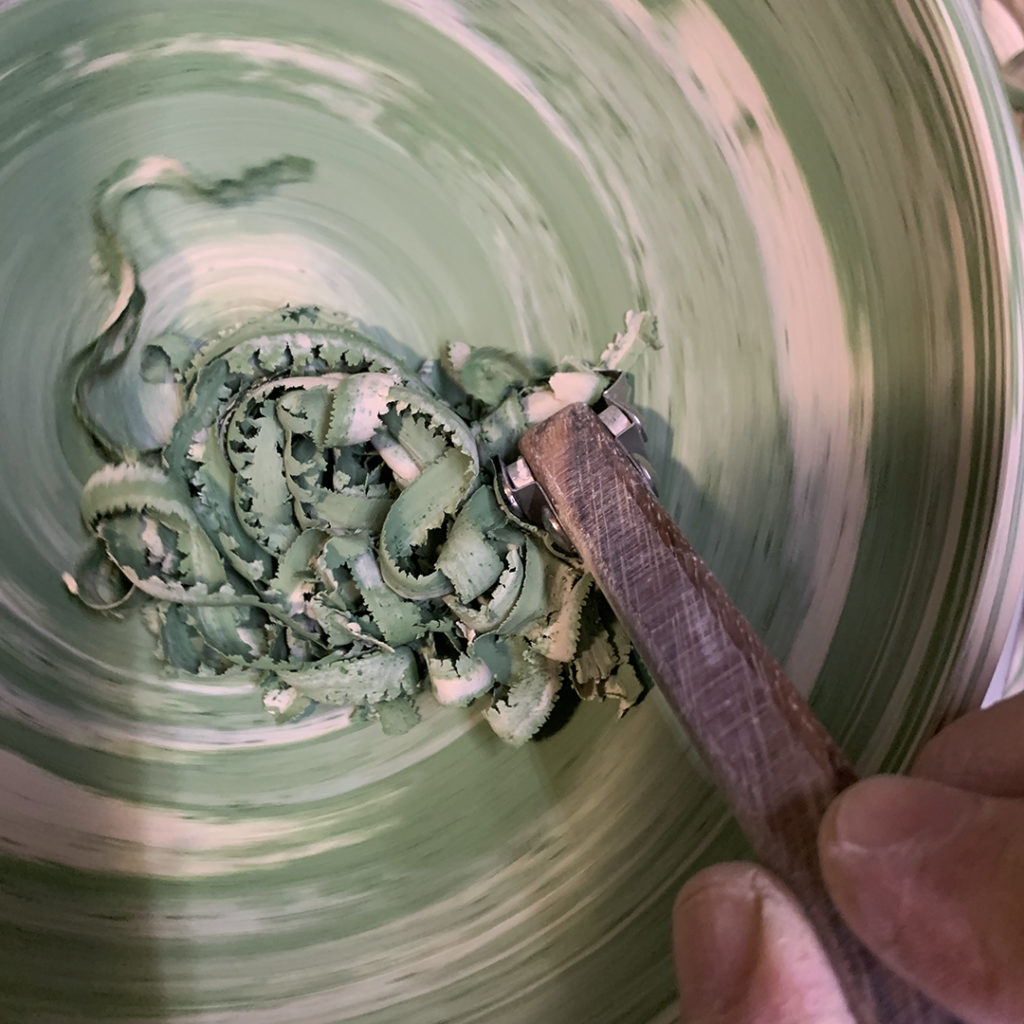
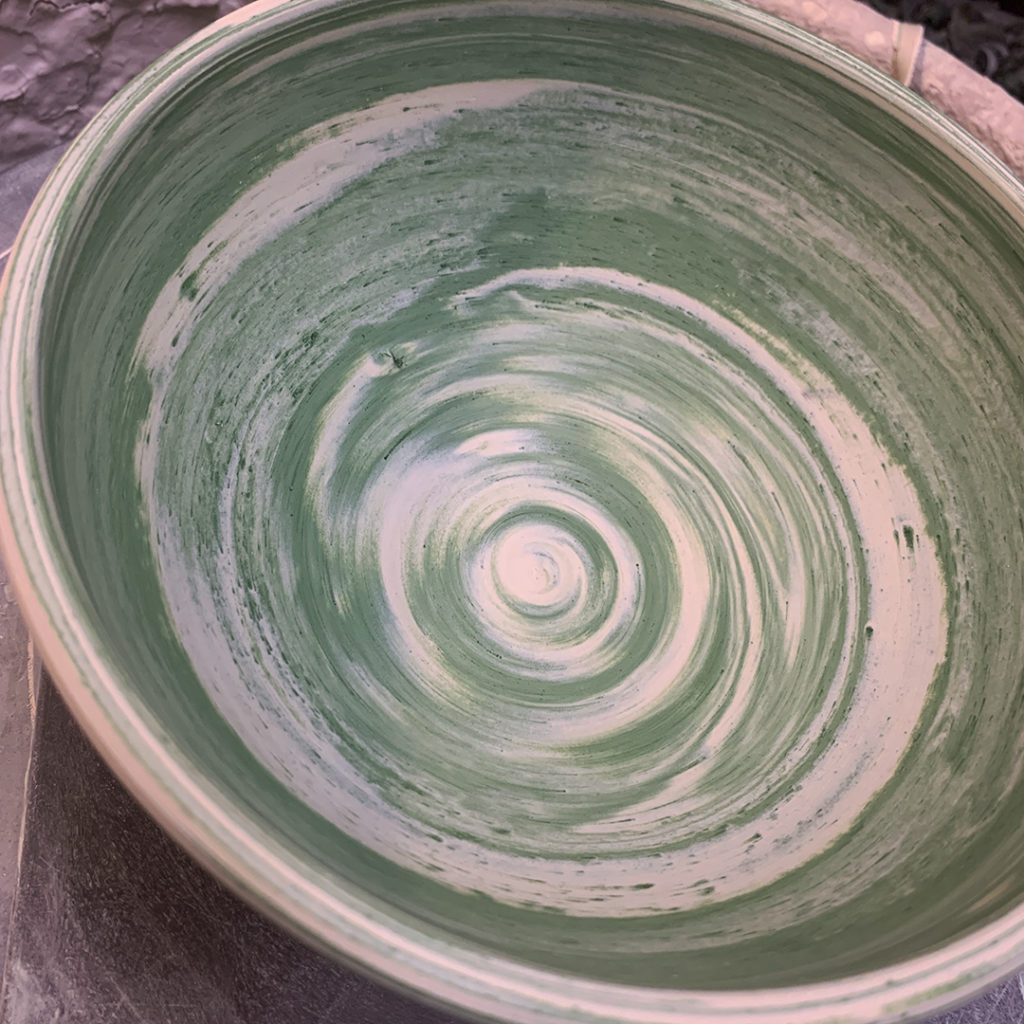
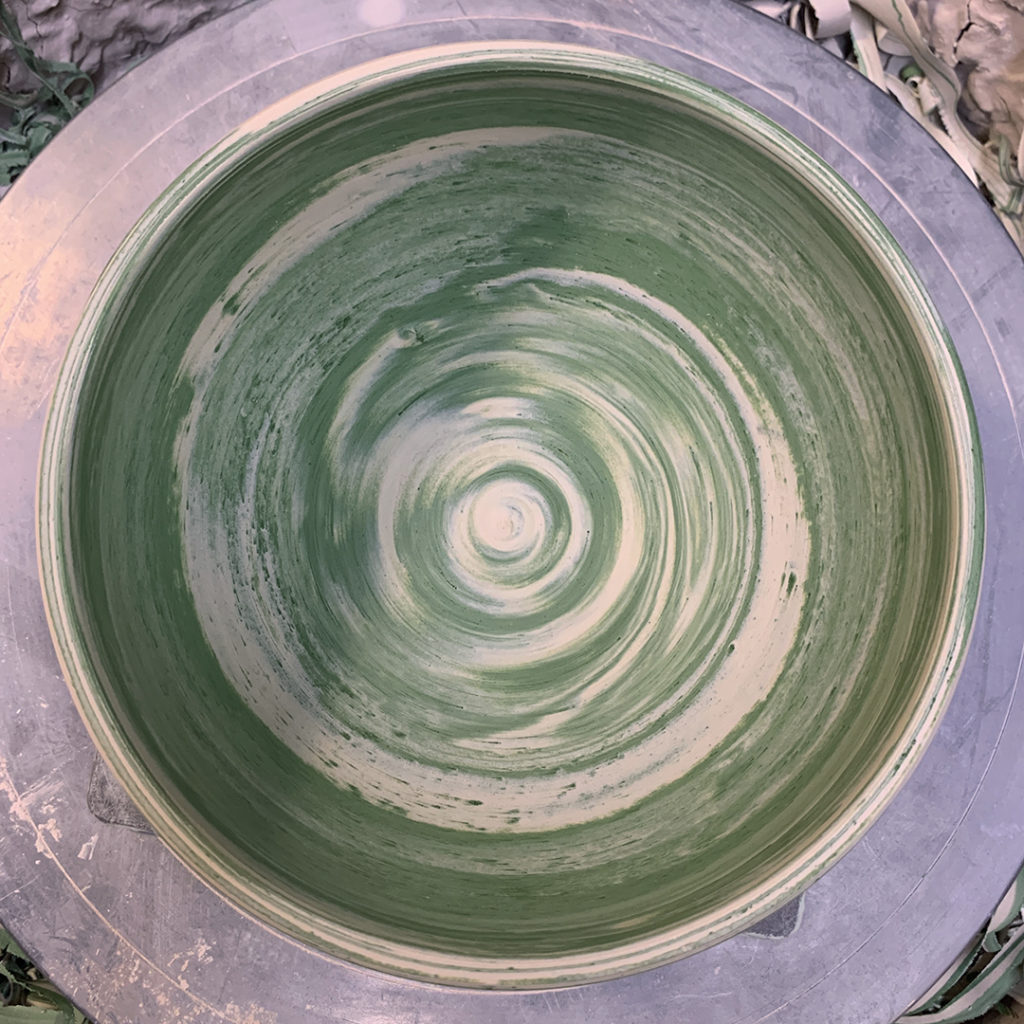
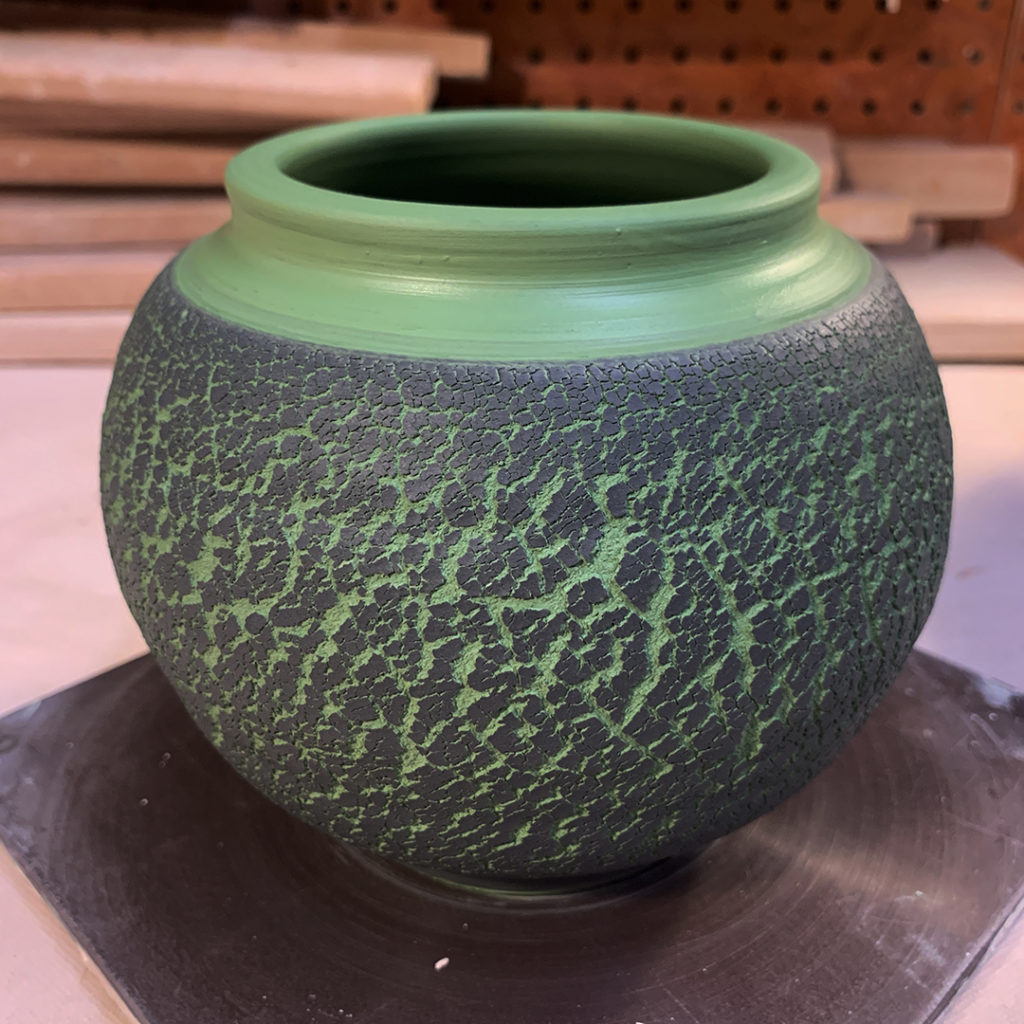
This week in my Thursday morning class, we continued with some more crackled slip fun… with Heidi asking for a crackled black slip demo. So I did another one using black slip with sodium silicate on white porcelain clay!!!
Categories: bowls, classes, process, surface decoration

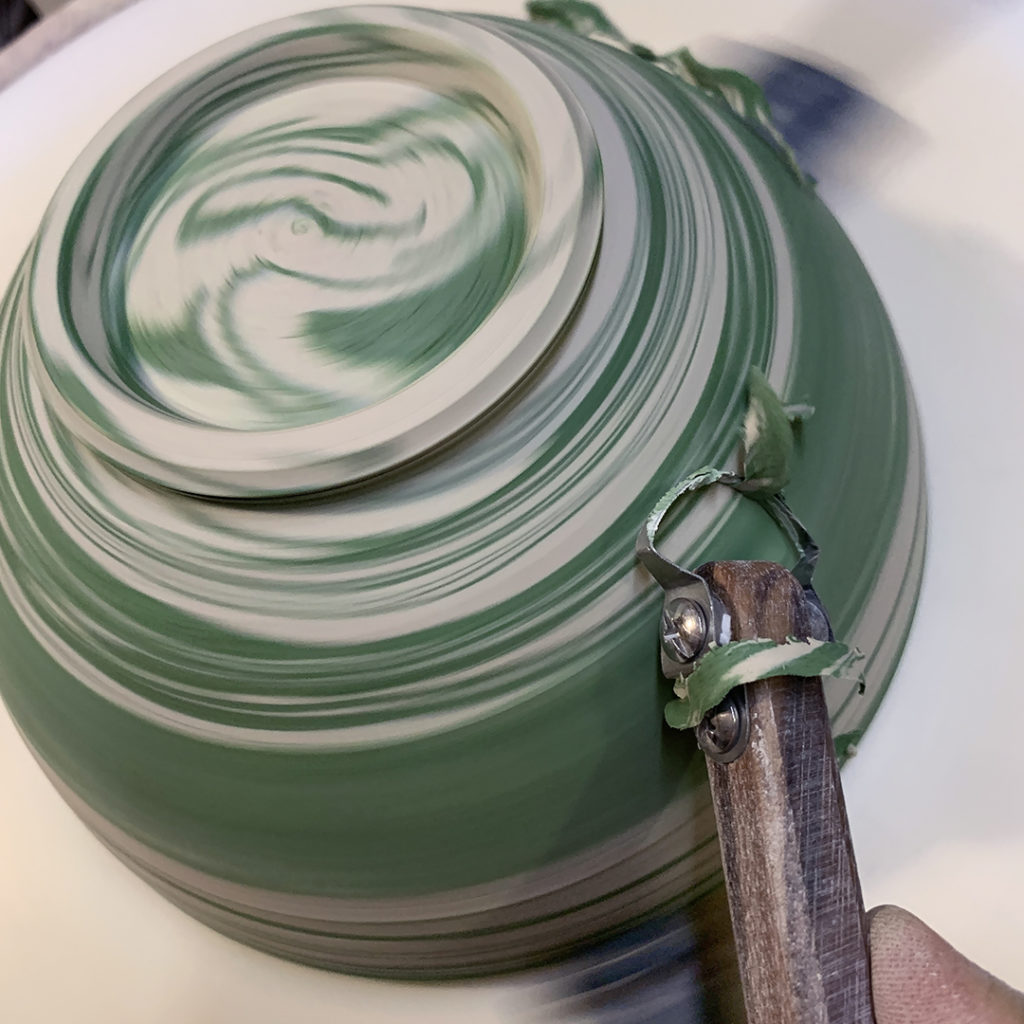
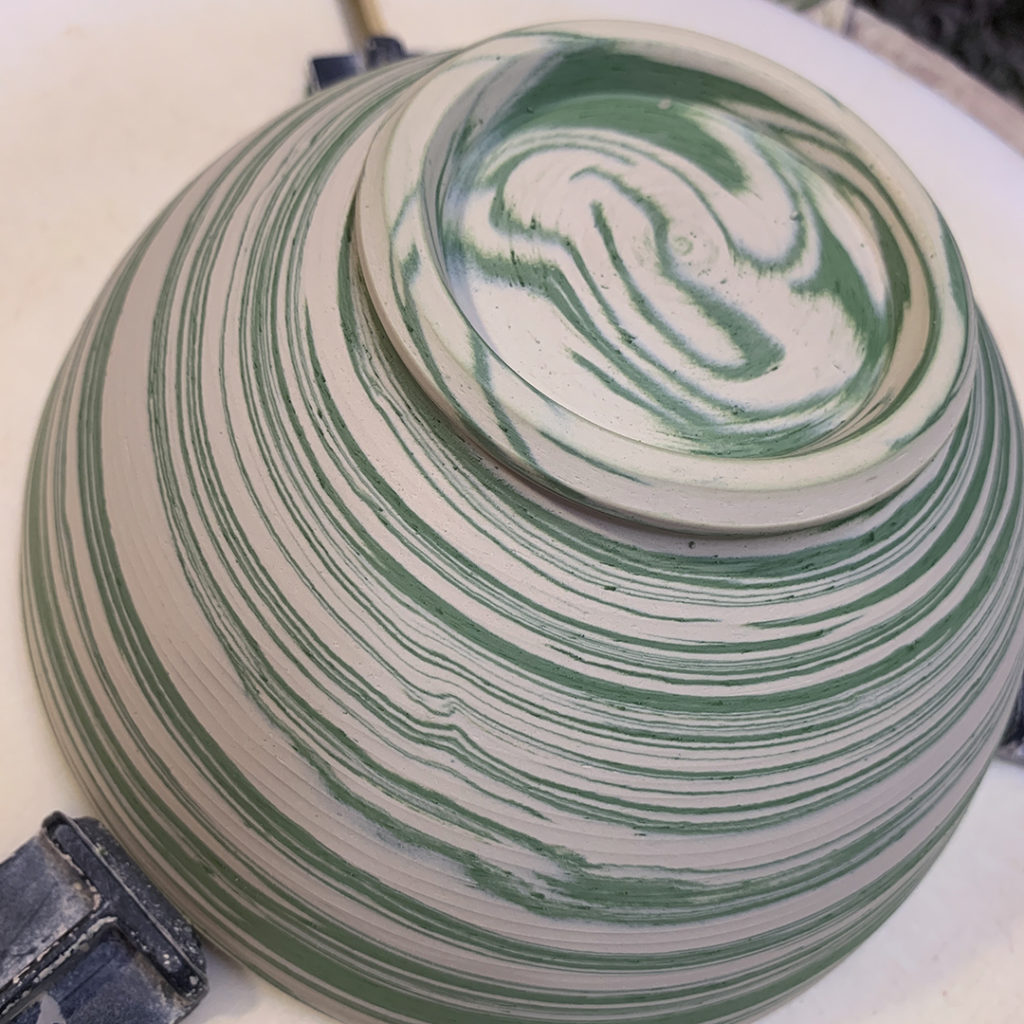
Here’s my class demo bowl after wiping away the background from the shellac pattern. If you look close, you can see the raised edges along the sides of the pattern. When the piece gets bisque fired, the shellac will burn away and “reveal” the raised pattern that has a orange flashing slip top surface. My plan is to do a tenmoku liner glaze on the inside of the bowl and then soda-fire it “raw” on the outside to see what happens. I’m kinda excited… you know I love a good challenge… and it’s always fun to see where it takes us!

Categories: bowls, classes, process

After the shellac pattern had dried, I started wiping away the background during my Monday night class with water and a sponge. The basic idea is that you wipe away the exterior surface of all the areas that are not protected by the shellac. As you wipe away, the unprotected surface goes down leaving raised surfaces under the shellac. You can wipe as much away as you want… but be careful as the shellac will start to wipe away eventually too!

And mental note to self… if you’re going to do a colored slip under the shellac like I did, it would be a lot easier to see what’s happening if the slip was a better color contrast to the clay body. The orange flashing slip I used is very similar to the B-clay color… so it was tough to see sometimes if I had wiped it all away. The color you see here is amber shellac. My fear is that there might be areas where the background wasn’t wiped away enough?! We’ll find out after bisque firing… but by then it’s too late to fix. Fingers crossed.

Categories: bowls, classes, process

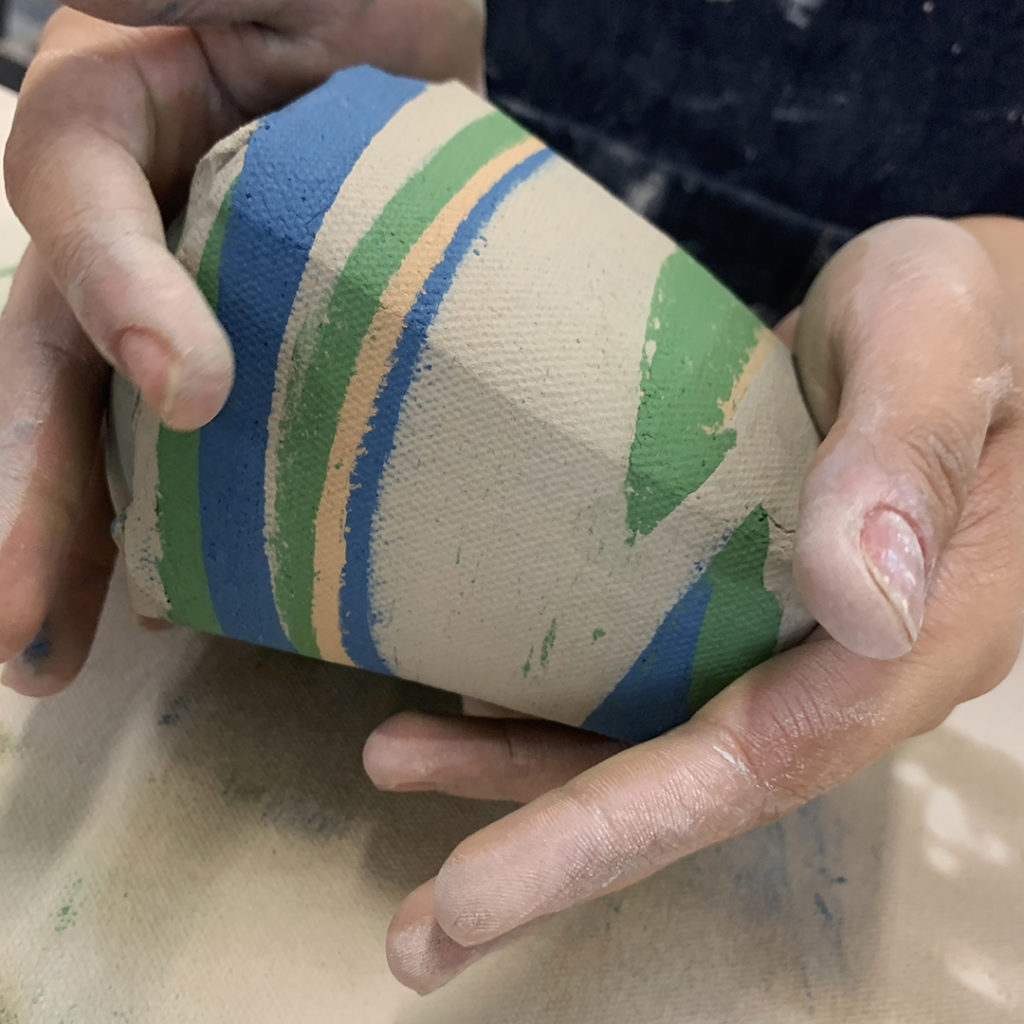
After doing my first class demo with the water etching technique, I decided to go one step further with another demo piece. My first bowl was more random with multiple patterns kinda like a “sampler” just on the B-clay surface. This time I first covered the exterior with an orange flashing slip, then painted on this swirly pattern with shellac. My hope is that when I “wash away” the background, the pattern will be raised and the orange slip will POP more after soda firing… and the raised edges will catch some soda too!!!

Categories: classes, food

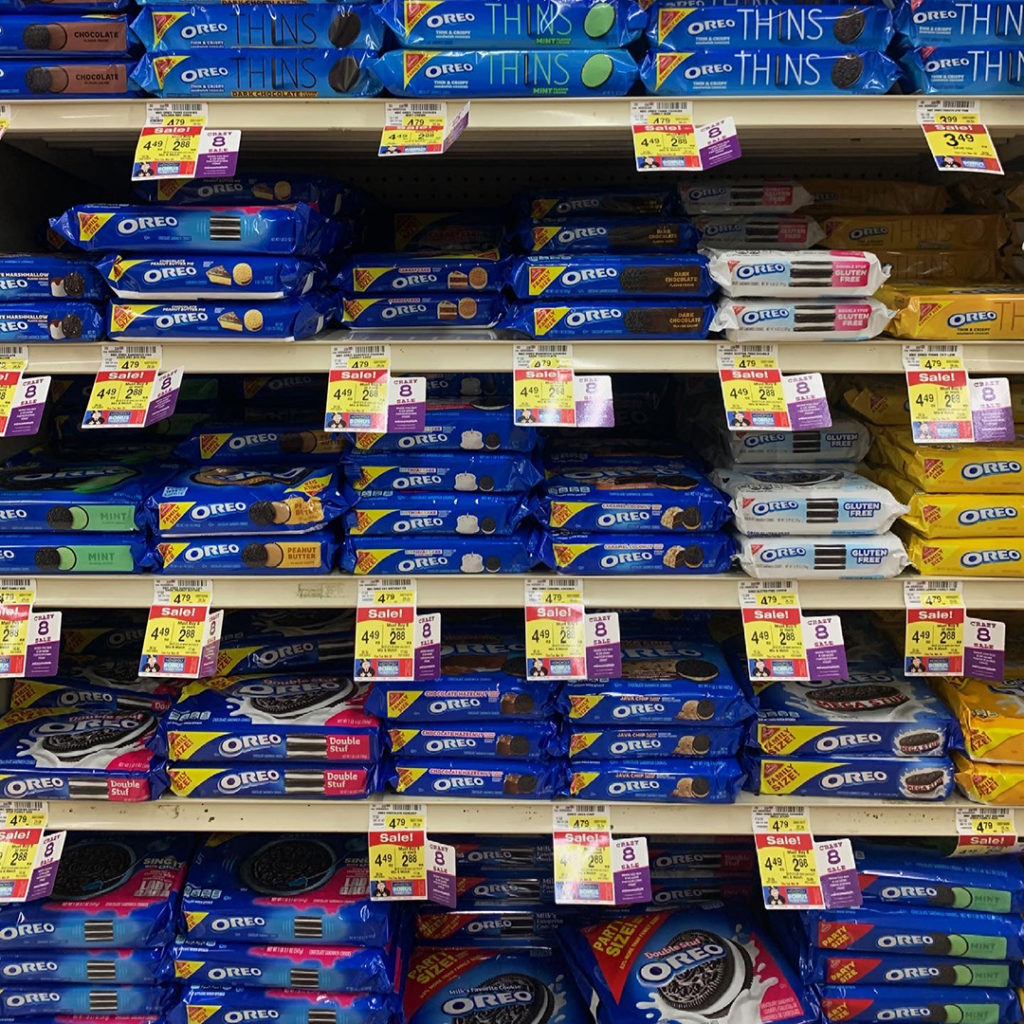
While we’re no longer supposed to have snacks in our pottery classes… one of my students couldn’t help feeding my “addiction” with GINGERBREAD OREO’s!!! I’m trying not to think about the post-holiday timing on these, cause they sure were yummy! But in our defense… individual serving packets that people took home with them. Still no eating in classes with all of our covid-restrictions! Whew… we skirted around that one.

Thanks Kate for the sweet treat!!!

Categories: classes, lillstreet, surface decoration, wheelthrowing

So it looks like the Spring Session of classes just opened for online registration at Lillstreet Art Center. I will be teaching three evening classes… including my usual Monday Advanced Wheelthrowing & Tuesday Beginning Wheelthrowing classes.

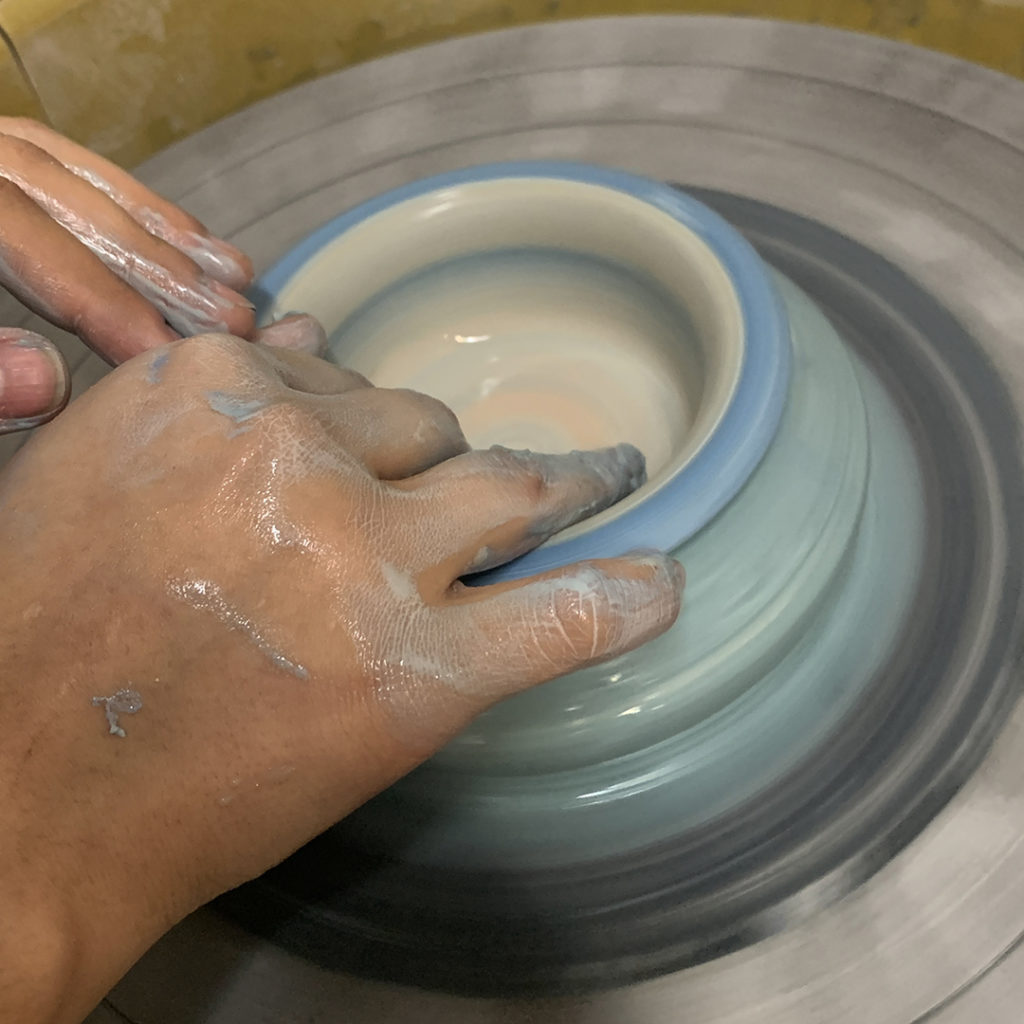
Potter working clay on wheel

NEW FOR SPRING… I will also be teaching a Surface Decoration Class on Thursday evenings where we’ll focus on a different technique each week. My goal is that we can do some great interactive demos & class projects each week where everyone actual tries each technique on their own work!

Sign-up quick… Lillstreet in-person classes are still limited to eight students, socially-distanced & fully-masked due to pandemic protocols. Be safe… stay masked… and come get muddy with us this Spring!!!

Categories: classes, process, textures

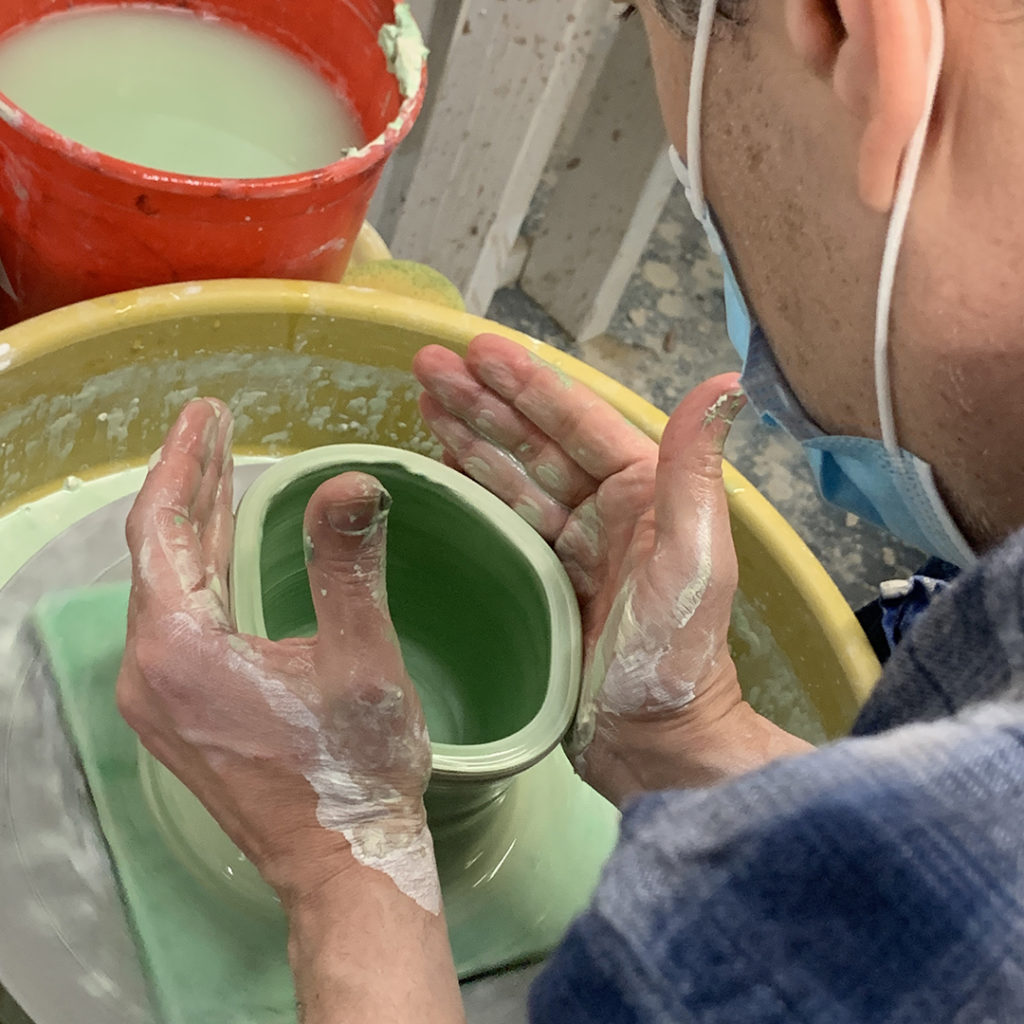
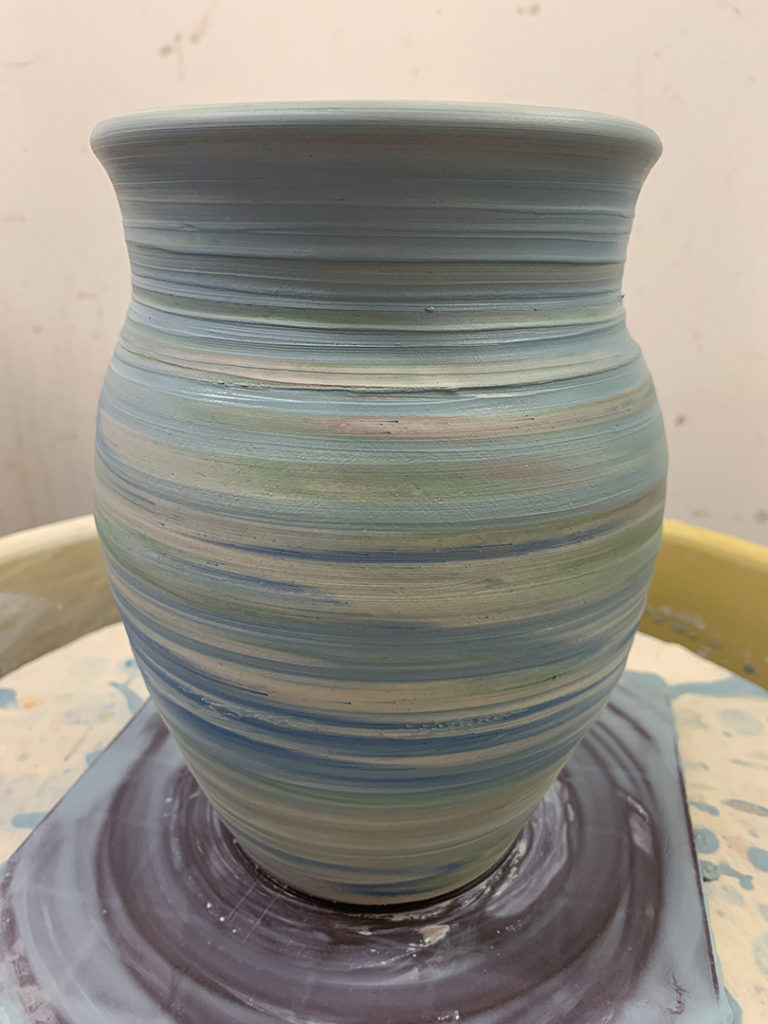
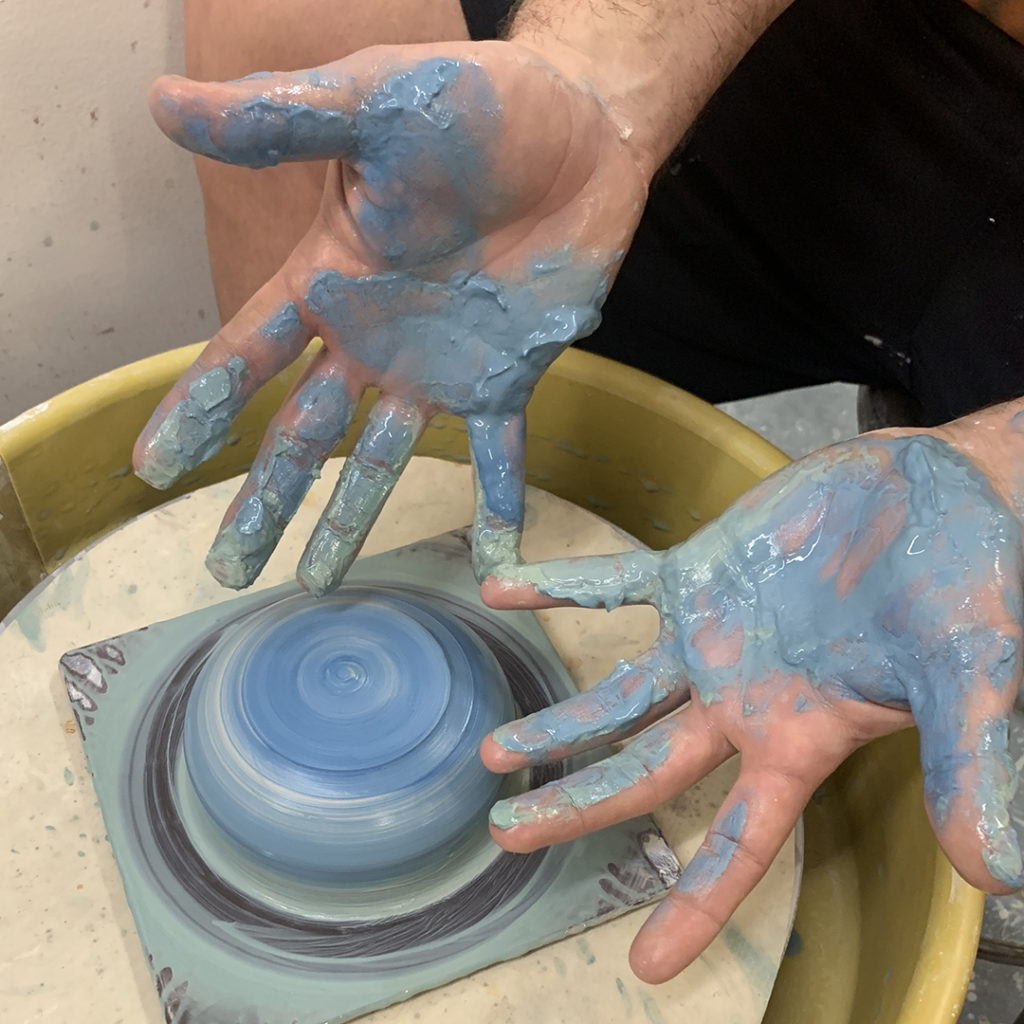
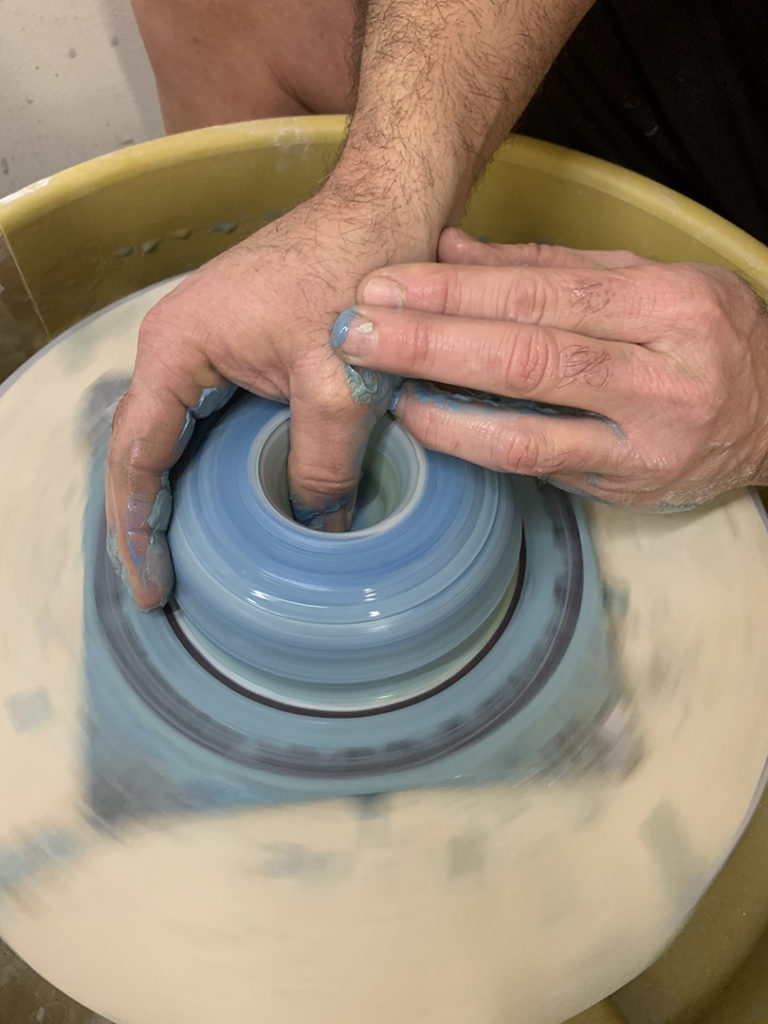
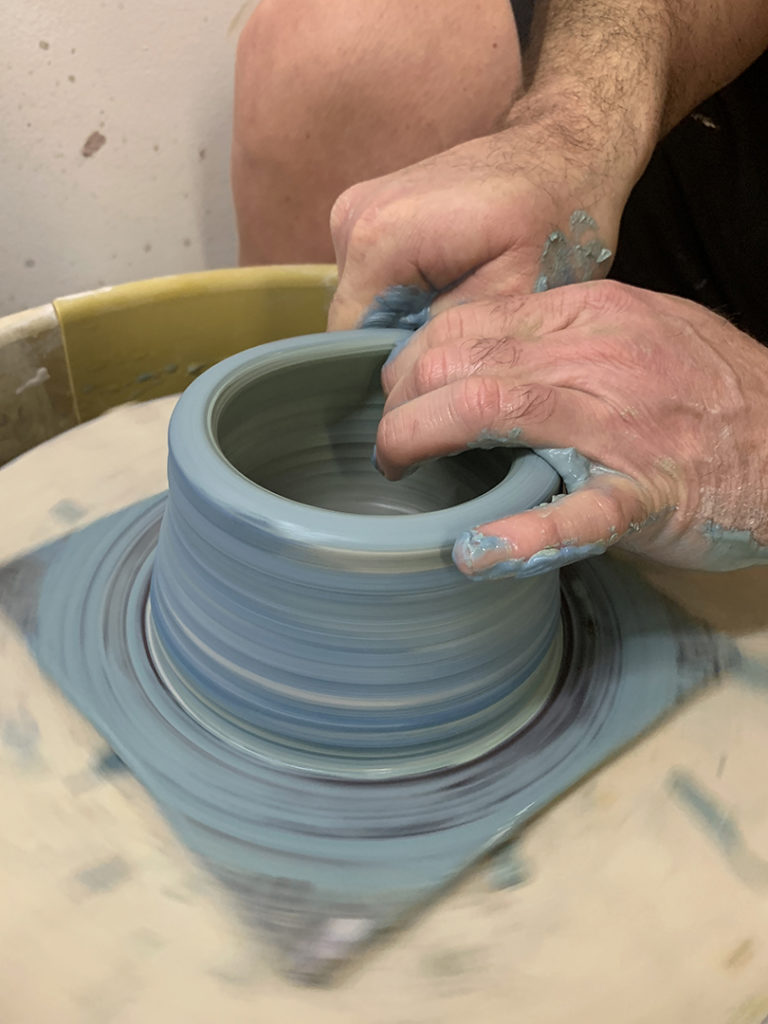
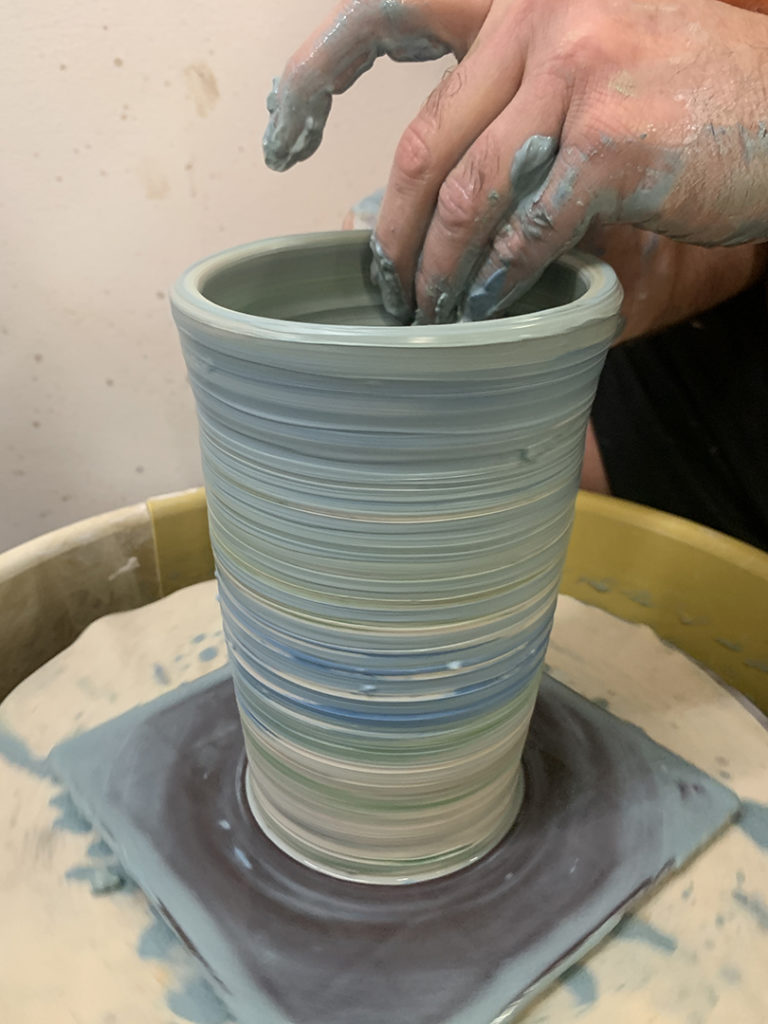
After doing the crackle “trick” demo on a slab, I showed them how the same process works even better on wheelthrown pieces. So for this one I threw a basic cylinder and painted the outside with the “white slip sodium silicate mixture.” I put on a couple layers and then dried it a bit with a heat gun. Just for fun, we had also drawn some lines into the slip before expanding just out of curiosity. I mean, if we’re playing & testing, we might as well get as much “information” back from it as possible, right?

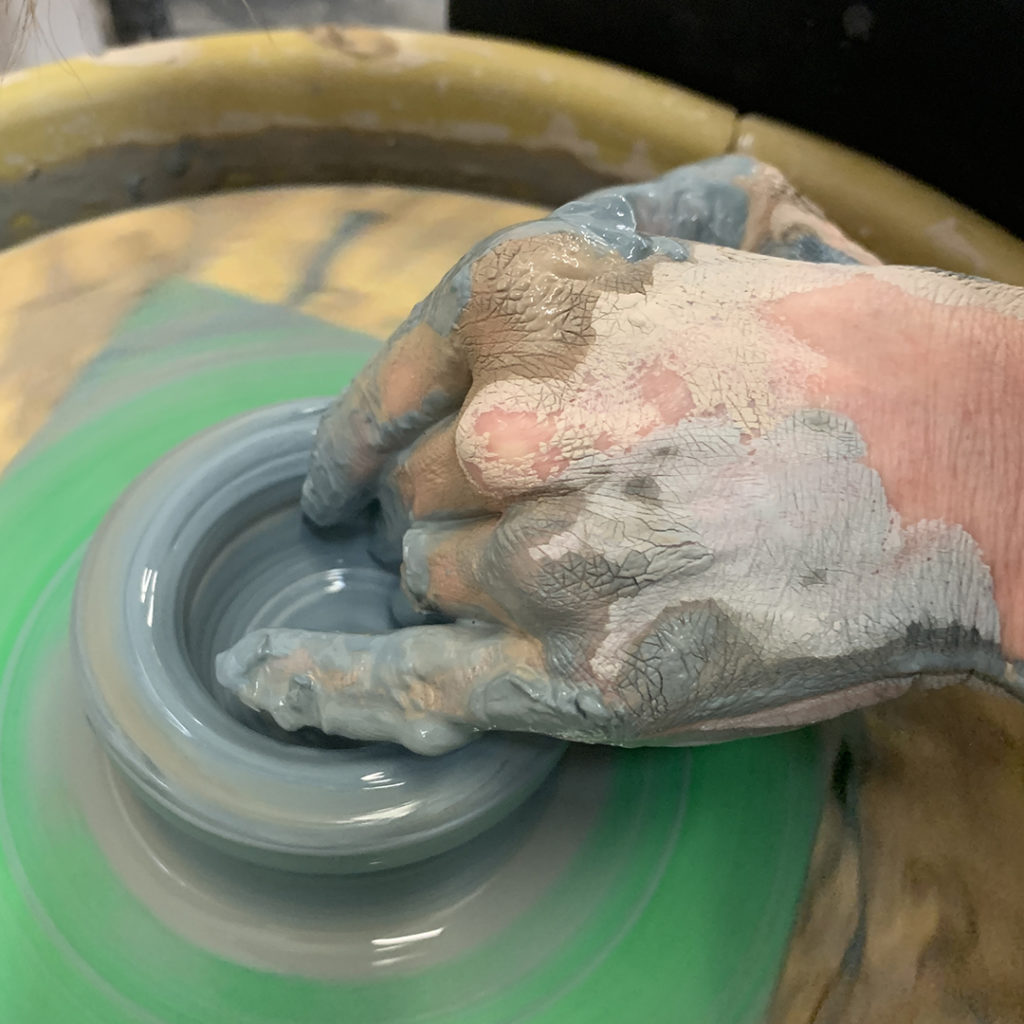
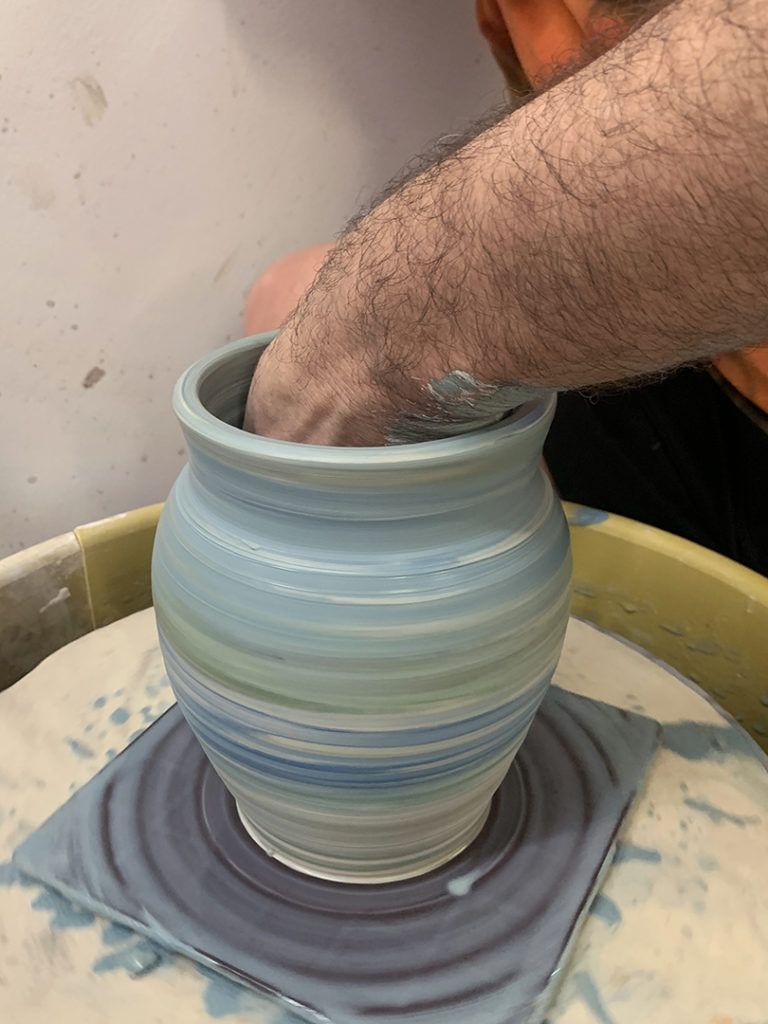
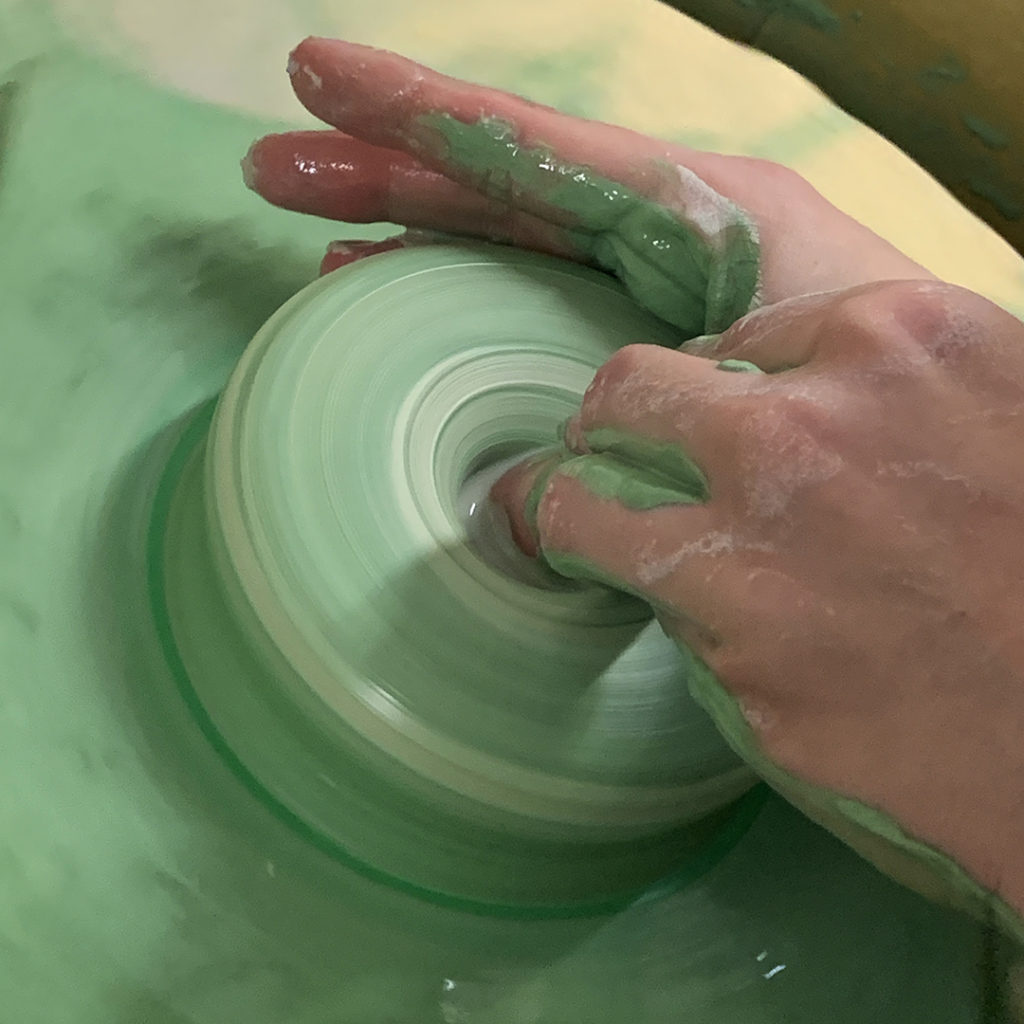
Then I pressed outwards to add volume to the cylinder with the wheel spinning… never touching the exterior with my hands… and the crackles just magically appear. The more you expand it, the bigger the crackles! So again, they were all duly impressed… and I must admit, I was pretty intrigued too!

After that first “pattern sampler” demo vase, I made a second one with the same “white slip sodium silicate mixture” but with little swipes through the slip all the way around. Again, I dried the “skin” of the slip quickly with a heat gun and then expanded it for the crackle to appear. I like this one even more… we might be onto something here… we’ll see…

And who knows… next session at Lillstreet I’ll be teaching a new “Surface Decoration” class on Thursday evenings. Pretty good chance this little trick might show up again then!!!

Categories: classes, process, textures

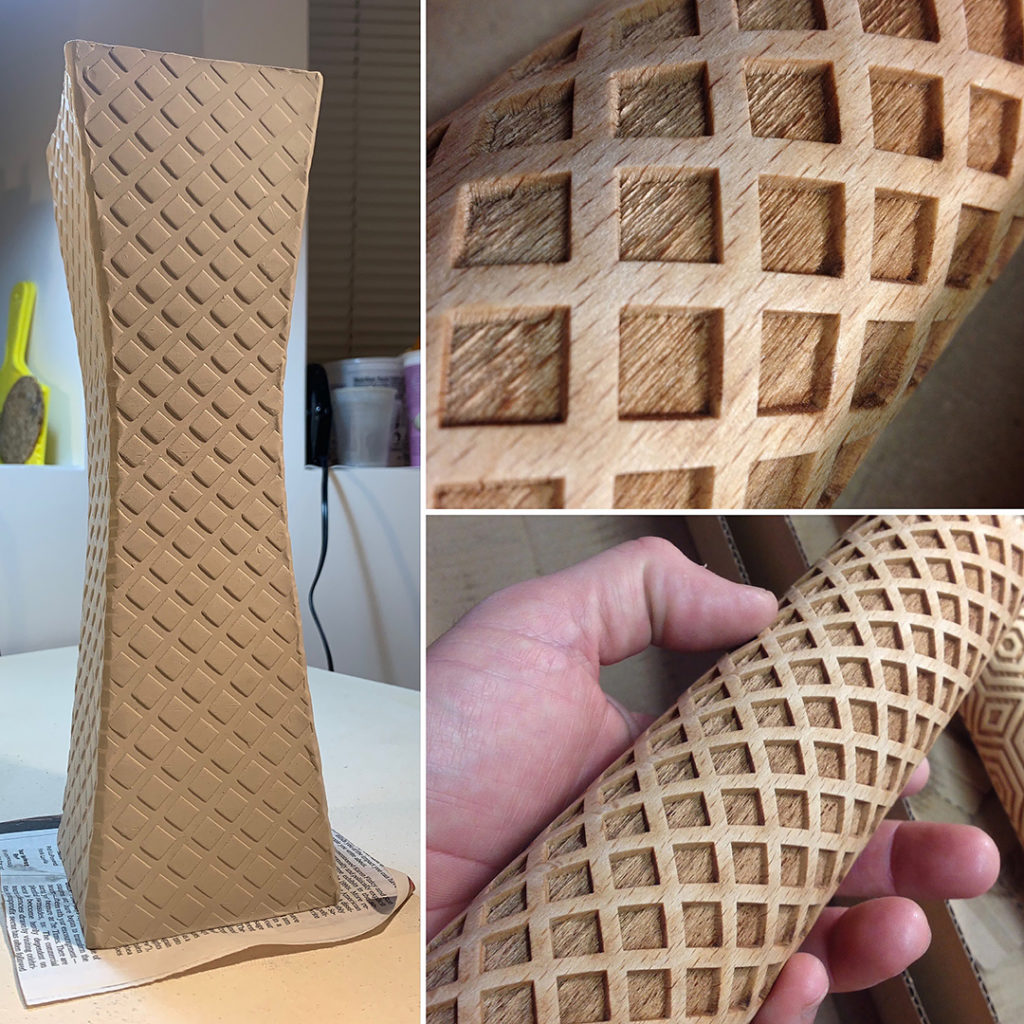
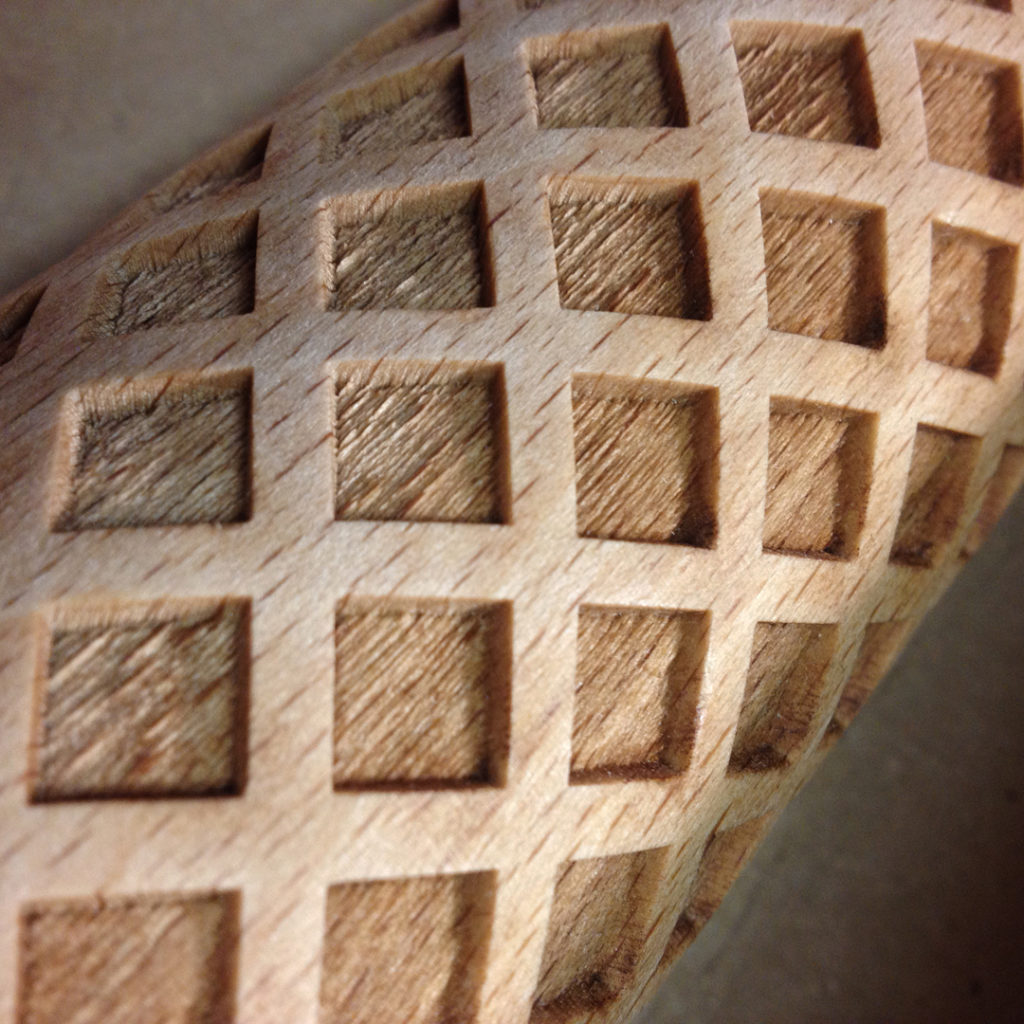
In my Thursday morning class, one of my students has been working with a “brick” texture mat and trying to get more of a weathered & worn surface. Rikke had been painting different slips on them after pressing her texture in. Today I demo’d how to make a slip “crackle” using sodium silicate and then stretching it. We pulled the slab, then added some bricks and I think she was quite pleased with the new “weathered & worn” surfaces. Now I can’t wait to see where this takes her & how the finished pieces turn out!!!

Categories: bowls, classes, process

When the shellac patterns were dry, I started to wipe away the “background” clay with a damp sponge. The idea is to remove layers of the background so that the shellac patterns remain intact and “higher” than the rest of the bowl. Luckily I used B-Clay, as wiping away stoneware would reveal a rough & groggy surface.

So I wiped… and wiped… and learned a few things.
One, it’s hard to know when to stop.
Two, if you wipe too hard or too long, some of the shellac wipes away too… so my thick shellac lines started to get thinner in some sections. Of course, I struggled with that for awhile… but I think I’m okay with it now.

When this bowl gets bisque fired, the shellac will burn away and then I’ll finish it with a nice glaze to help accentuate the edges & difference in surface heights. Already planning the next water etching project… let the class demo “challenge” continue!!!

Categories: bowls, classes, process

You know how I love a good challenge!

So when one of my students Heidi “challenged me”
to do some water etching instead of stamping… I said “Game On!”

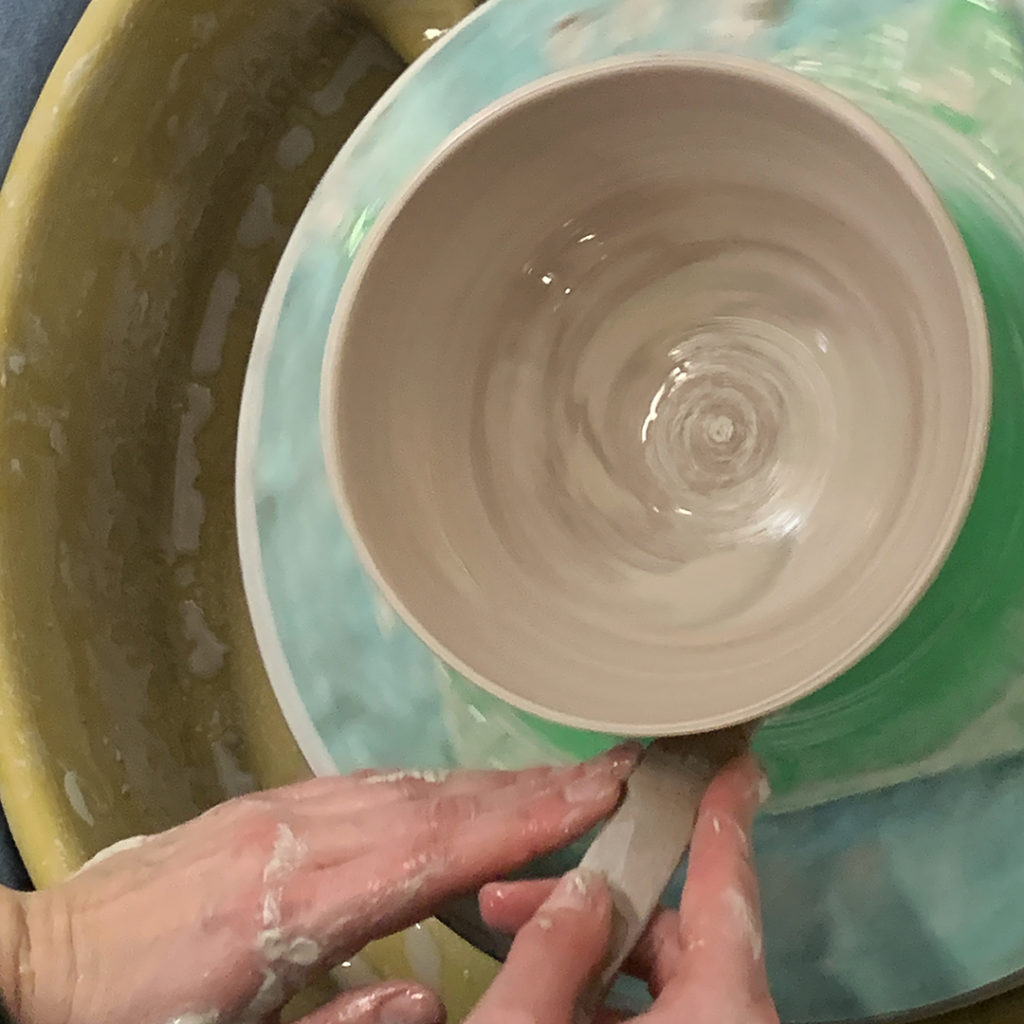
So I threw a bowl, dried it to leatherhard, trimmed it and brought it back to class. I didn’t really have a design plan… so I went more with a “sampler” style bowl. So in class I painted my patterns on the bowl with shellac. I used a Q-Tip instead of a brush because I thought it would have a better edge instead of bristles moving around too much… plus, disposable! I let the shellac dry… and then it was time to start wiping away the background clay! More to come…